Science-Backed by Wellness
with IMMBO
Evidence-Based Ayurvedic Research on Allergic Rhinitis
This section presents the scientific and clinical research related to IMMBO, providing an evidence-based overview of its therapeutic potential in managing allergic and respiratory conditions while supporting immune balance.
Developed as a proprietary Ayurvedic formulation, IMMBO has been studied through clinical observations, case documentation, and research initiatives to better understand its role in addressing hypersensitivity responses — particularly in conditions such as allergic rhinitis.
The research compiled here explores the formulation's potential mechanisms of action, including its influence on immune regulation, inflammatory responses, and cellular pathways associated with allergic reactions. Environmental triggers such as dust, pollen, pollution, and seasonal changes often lead to exaggerated immune responses. The studies here examine how IMMBO may help modulate these responses, reduce inflammatory activity, and support the body's natural defense mechanisms.
This page serves as a growing repository of studies, findings, and research insights. As new clinical data and research observations emerge, they will be added here to further strengthen the evidence base and support informed clinical use.
By documenting clinical outcomes and scientific observations, this research aims to provide healthcare professionals, researchers, and practitioners with transparent and credible insights into IMMBO's therapeutic profile — bridging classical Ayurvedic knowledge with contemporary research methodologies.
Lab Studies
Research Papers
Heritage
Herbs


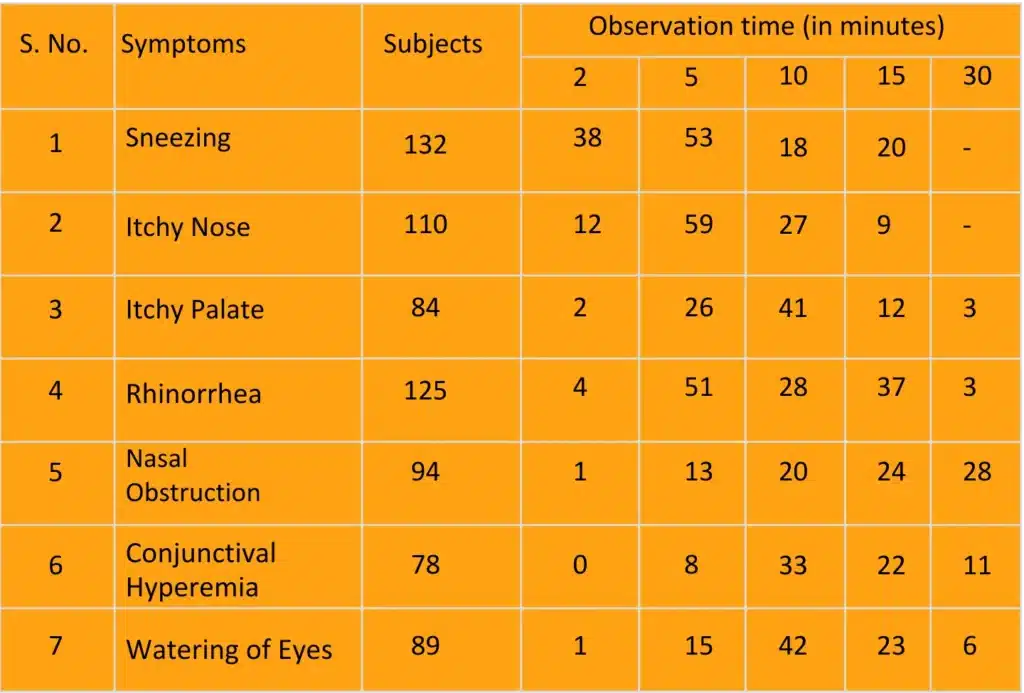
- 90% symptoms improved within first 15 minutes.
- No adverse drug reaction reported.
| S. No. |
Symptoms | Subjects | Observation time (in minutes) | ||||
|---|---|---|---|---|---|---|---|
| 2 | 5 | 10 | 15 | 30 | |||
| 1 | Sneezing | 132 | 38 | 53 | 18 | 20 | - |
| 2 | Itchy nose | 110 | 12 | 59 | 27 | 9 | - |
| 3 | Itchy Palate | 84 | 2 | 26 | 41 | 12 | 3 |
| 4 | Rhinorrhea | 125 | 4 | 51 | 28 | 37 | 3 |
| 5 | Nasal Obstruction | 94 | 1 | 13 | 20 | 24 | 28 |
| 6 | Conjunctival Hyperemia | 78 | 0 | 8 | 33 | 22 | 11 |
| 7 | Watering of Eyes | 89 | 1 | 15 | 42 | 23 | 6 |
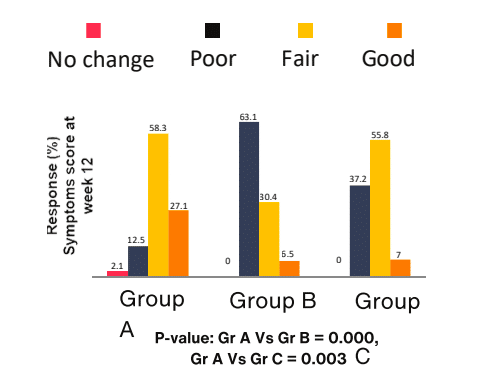
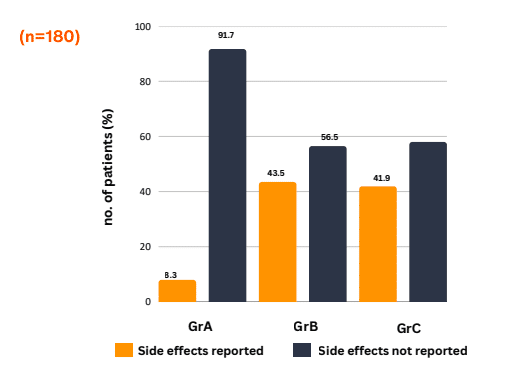
- Four times more effective than Levocetirizine
- Four times fewer side effects as compared to Levocetirizine
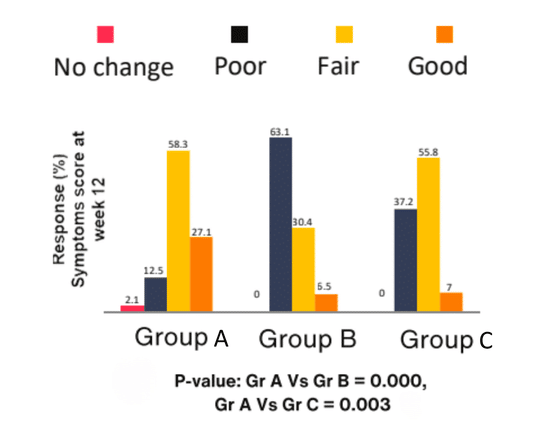
(n=180)
Gr A – IMMBO 3 gm/day*,
Gr B – Levocetirizine 10 mg/day,
Gr C – IMMBO 3 gm* + Levocetirizine 10 mg/day
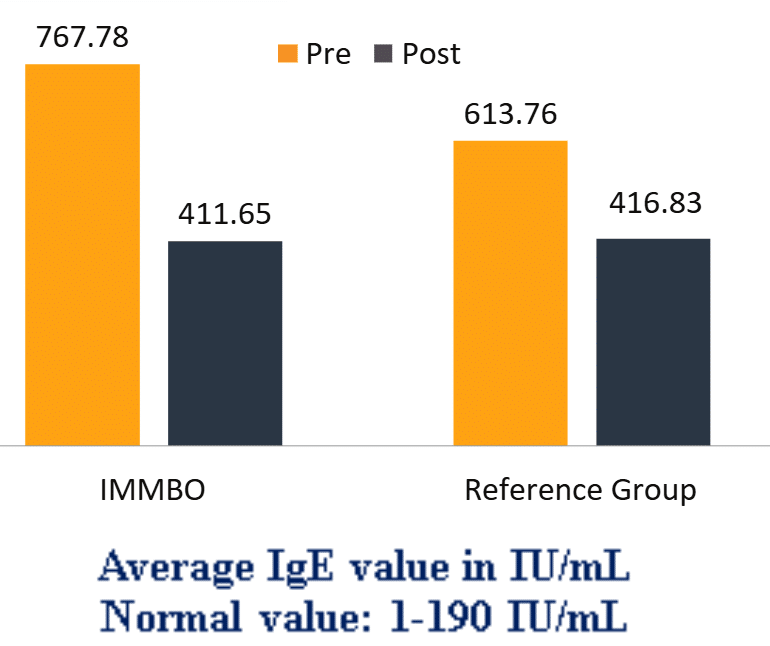
IgE, or Immunoglobulin E, is a type of antibody involved in allergic reactions and the body's response to parasitic infections. A high level of IgE (Immunoglobulin E) in the blood generally indicates an allergic response or condition.
Average IgE value in IU/mL
Normal value: 1–190 IU/mL
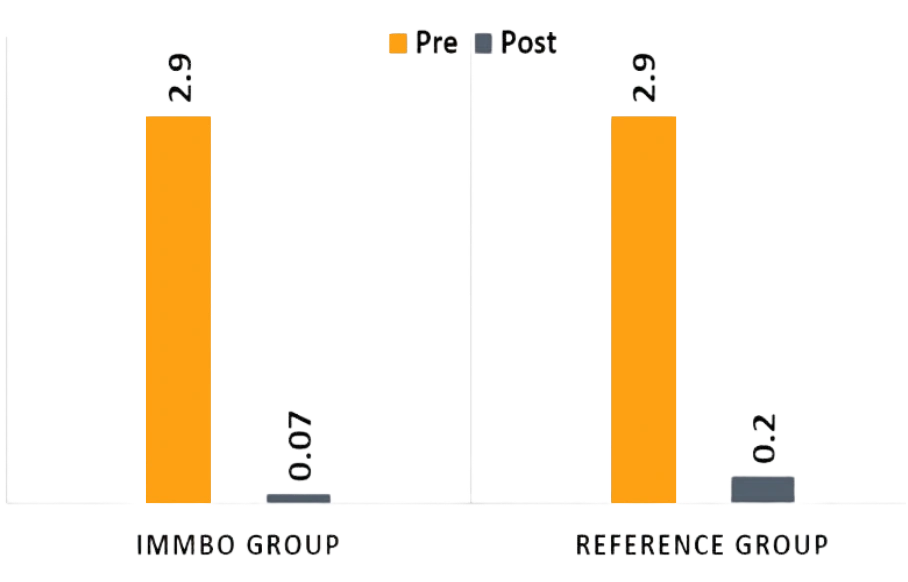
The Total Nasal Symptom Score (TNSS) is the sum of scores for each of nasal congestion, sneezing, nasal itching, and rhinorrhea, using a four point scale (0–3), where 0 indicates no symptoms, a score of 1 for mild symptoms that are easily tolerated, 2 for moderate symptoms which are bothersome but tolerable and 3 for severe symptoms that are hard to tolerate and interfere with daily activity. TNSS is calculated by adding the score for each of the symptoms to a total out of 12.
IMMBO Group
Reference Group
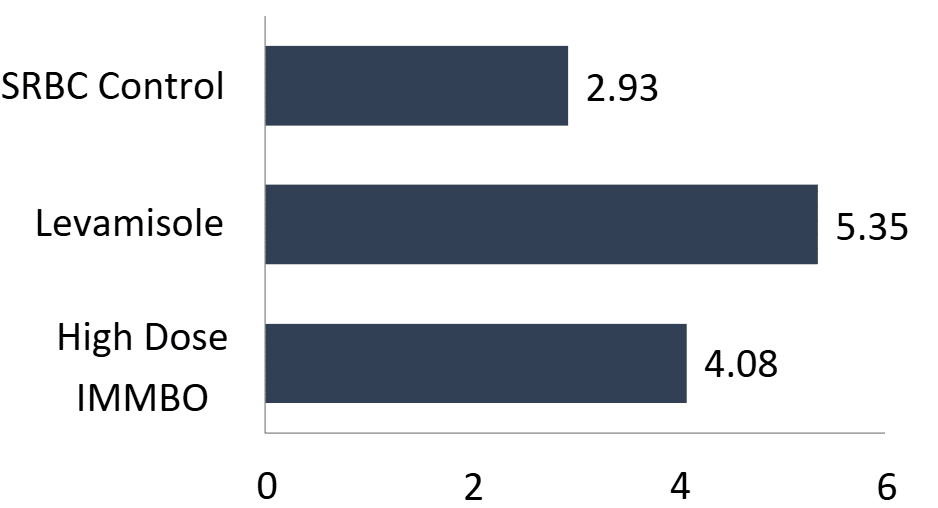
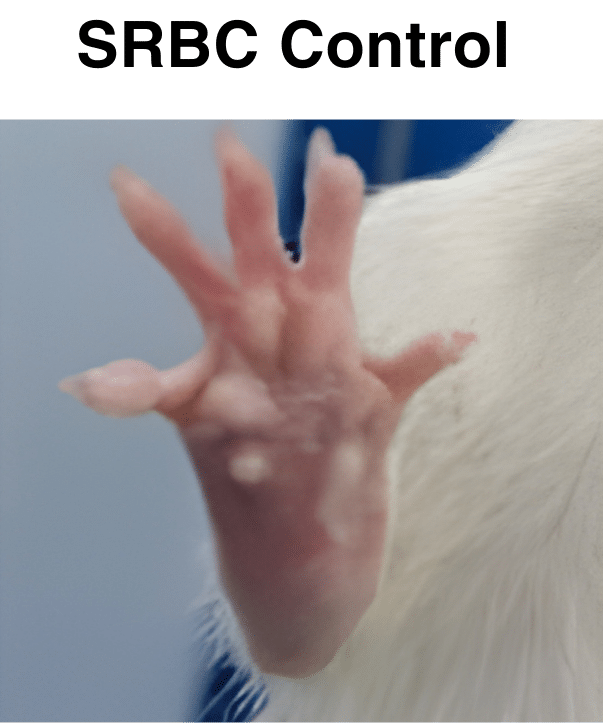
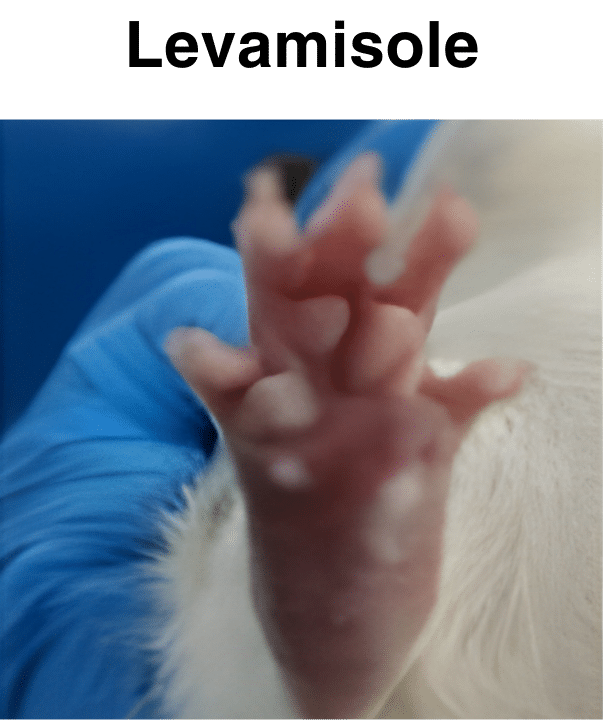
The group which was not given any treatment was used as the negative control group (SRBC control). The hypersensitivity response in IMMBO group was comparable to that of Levamisole group.
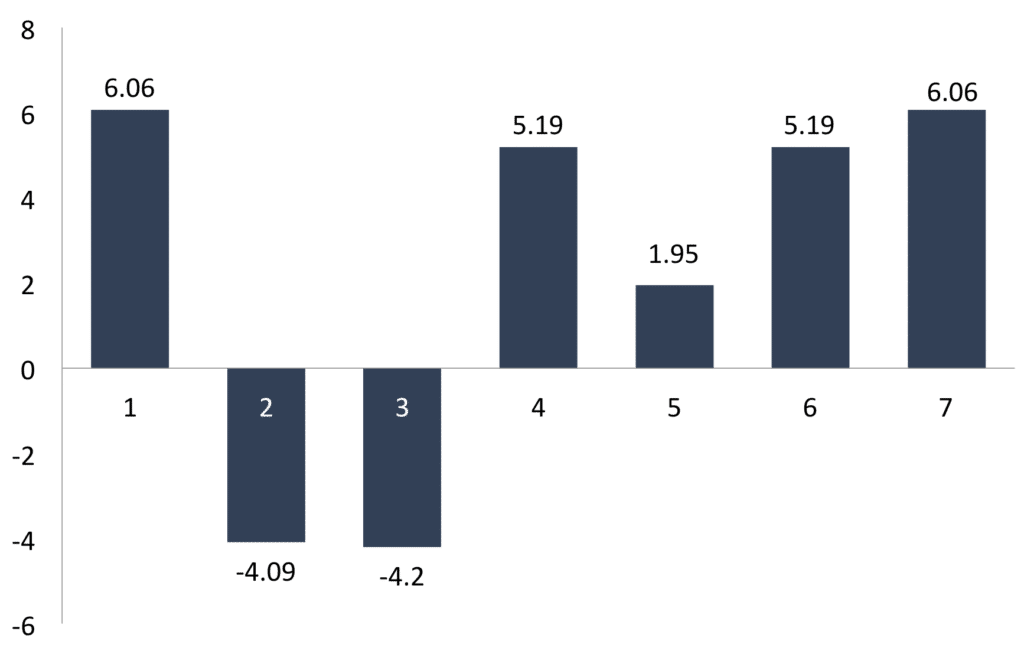
A neutrophil adhesion assay is a test that measures how well neutrophils stick to a surface, which plays an essential role in preventing infections by blocking, disabling, digesting, or warding role in the formation of an inflammatory exudate. Neutrophils help fight off invading particles and microorganisms.
| Group 1 | Healthy Control |
| Group 2 | Cyclophosphamide (Immunosuppressant) |
| Group 3 | Cyclo + SRBC (Antigen stimulation) |
| Group 4 | Cyclo + SRBC + Levamisole |
| Group 5 | Cyclo + SRBC + IMMBO 200 mg/kg body wt. |
| Group 6 | Cyclo + SRBC + IMMBO 400 mg/kg body wt. |
| Group 7 | Cyclo + SRBC + IMMBO 800 mg/kg body wt. |
Higher doses of IMMBO significantly increases neutrophil adhesion.
Mid dose IMMBO showed neutrophil adhesion comparable to Levamisole.
Immunoglobulins, also known as antibodies, are glycoprotein molecules produced by plasma cells to help the body fight off infections and other foreign substances.
They play a crucial role in the humoral immune response by recognizing and neutralizing antigens.
IMMBO significantly increases levels of IgM, IgG and IgA with increasing doses.
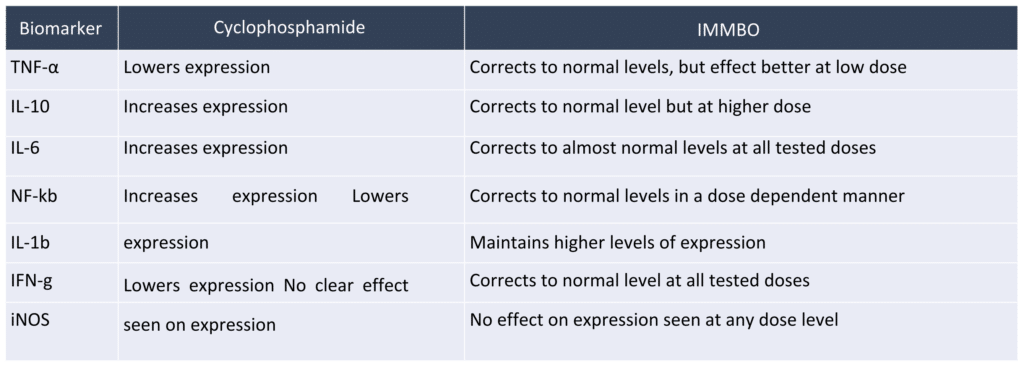
- Normalizes cytokine expression in immunosuppressed animals.
- Cyclophosphamide is an immunosuppressant that can either reduce or elevate cytokine biomarkers. IMMBO helps restore these levels toward normal.
- Cytokines are small signaling proteins that act as messengers, regulating immune responses and controlling inflammation.
- IMMBO helps normalize the levels of various cytokines when administered to immunosuppressed animals.
| Biomarker | Cyclophosphamide | IMMBO |
|---|---|---|
| TNF-α | Lowers expression | Corrects to normal levels, but effect better at low dose |
| IL-10 | Increases expression | Corrects to normal level but at higher dose |
| IL-6 | Increases expression | Corrects to almost normal levels at all tested doses |
| NF-kb | Increases expression | Corrects to normal levels in a dose dependent manner |
| IL-1b | Lowers expression | Maintains higher levels of expression |
| IFN-g | No clear effect on expression | Corrects to normal level at all tested doses |
| iNOS | No clear effect on expression | No effect on expression seen at any dose level |
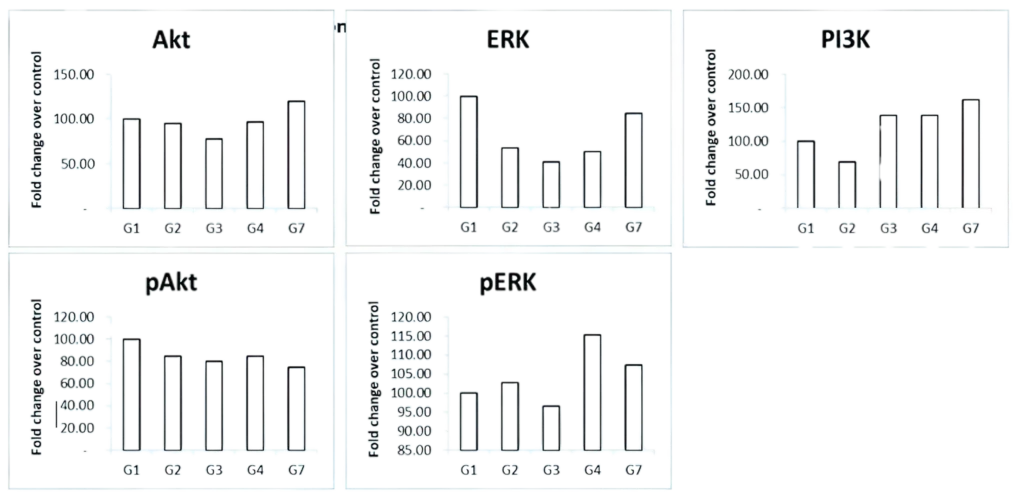
Cell regulation is the process that controls the series of events by which a cell goes throughout the cell cycle. Disruption of normal regulation of the cell cycle can lead to diseases.
IMMBO normalizes cell regulatory markers in immunosuppressed animals.
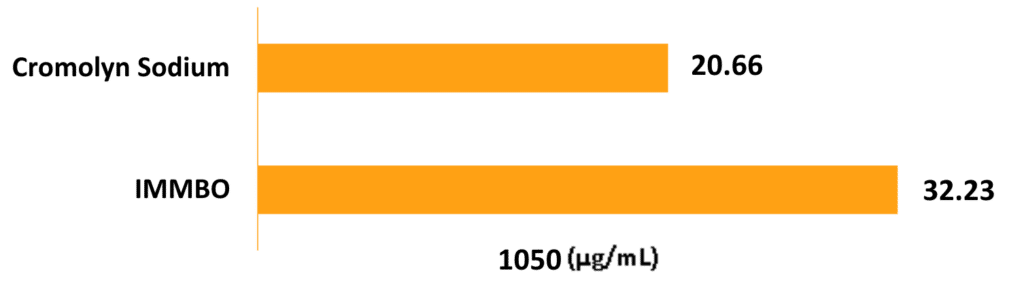
IC50 value in µg/mL · Test concentration: 1050 µg/mL
Cromolyn sodium is a herbal extract that has mast cell stabilizer property and used in treating various allergic conditions and possesses anti-histaminic properties.
Histamine is released by immune cells like mast cells and basophils in response to allergens, causing inflammation and other allergy symptoms like sneezing, itching, and runny nose. Anti-allergics block histamine release.
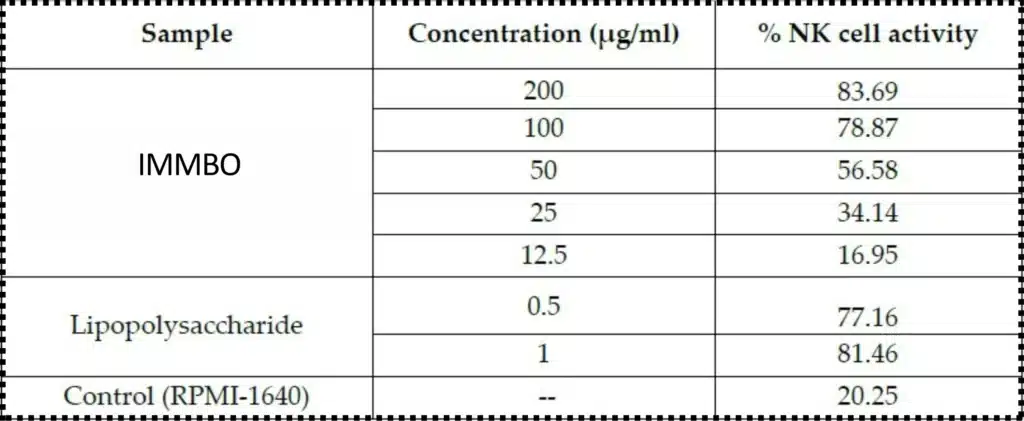
| Sample | Concentration (µg/ml) | % NK cell activity |
|---|---|---|
| IMMBO | 200 | 83.69 |
| 100 | 78.87 | |
| 50 | 56.58 | |
| 25 | 34.14 | |
| 12.5 | 16.95 | |
| Lipopolysaccharide | 0.5 | 77.16 |
| 1 | 81.46 | |
| Control (RPMI-1640) | -- | 20.25 |
Natural killer (NK) cells are a type of white blood cell that serve as a first-line defense against viruses and tumor cells.
They help the body fight infection and cancer.